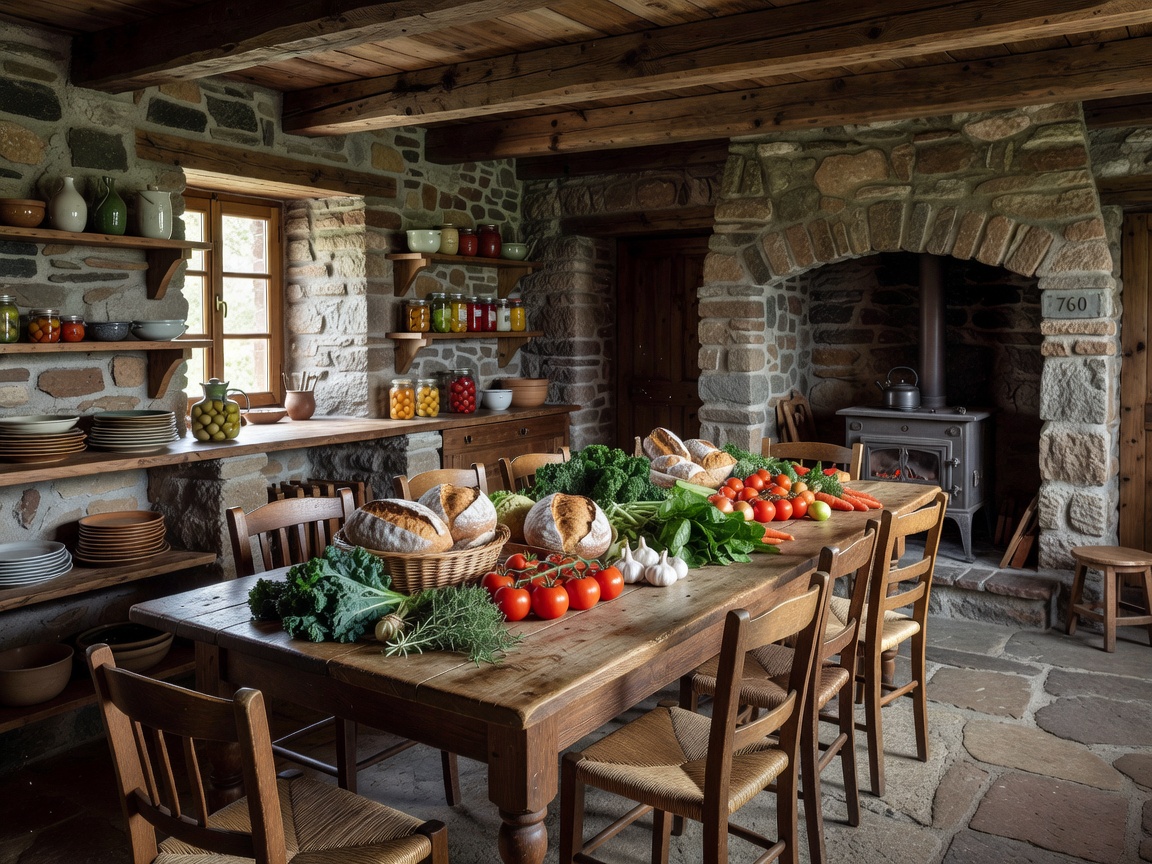
Choose the dining format
Self-catering gives a group control over meal times and menus, but it requires shopping, preparation and cleanup. A chalet kitchen may be equipped for full meals or only simple cooking. Review appliances, cookware, tableware, refrigerator space and dining capacity before planning a complicated menu. Ask whether cleaning supplies and basic kitchen items are provided, and do not assume a photograph shows the complete inventory.
Prepared groceries can simplify the first evening or breakfast routine if an appropriate service is available. Confirm the ordering process, delivery time, substitutions, storage and payment terms. A private dining or meal service may be a separate arrangement, not part of accommodation. Verify whether it is offered for the dates and group needs directly with the responsible provider.
Make the kitchen work for the group
Kitchen size and workflow matter when several people cook at once. Check counter space, oven and hob configuration, refrigerator capacity, dishwasher access and where food can be stored. Consider whether the dining area is separate from the kitchen and how many people can sit comfortably. For groups with different schedules, a breakfast station or easy snacks may reduce pressure on the main cooking space.
Apartment-style stays can have a compact kitchen, while a private chalet may provide a larger shared area. Larger does not always mean better equipped. Ask what is supplied and whether guests need to bring specialist items. If a specific appliance is essential, request confirmation rather than relying on general descriptions. Factor in the distance to shops and transport when choosing a self-catering approach.
Breakfast and arrival-day food
Breakfast planning can be simple: identify who eats early, whether the group prefers a shared meal or individual options, and how much refrigeration is needed. If groceries are arranged, send a clear list with quantities, preferred alternatives and any items that should not be substituted. Confirm how food is delivered and where it will be left. Do not expect any particular brand or product to be available.
Arrival day often benefits from a low-effort meal plan. Travel delays, late access or limited local opening hours can make a detailed first-night menu impractical. Consider shelf-stable items and an uncomplicated meal, while checking local shopping options independently. The site does not provide current store hours or availability. Ask the accommodation contact about access and grocery delivery arrangements.
Dietary requirements and group meals
Record allergies and dietary requirements precisely. Distinguish an allergy from a preference and state the relevant ingredients, cross-contact concerns and severity where appropriate. Share details only with the provider responsible for the food. Ask how requirements are acknowledged and whether the provider can safely accommodate them. A general assurance is not a substitute for direct confirmation from the person preparing or supplying a meal.
Group meals involve more than the menu. Plan the seating arrangement, service timing, children’s needs, kitchen access and cleanup expectations. If several households are travelling together, agree who will handle shopping and meal decisions. A shared document can reduce duplicate purchases. For an external dining service, confirm the venue or delivery plan, cancellation terms, and whether transport or tableware is included.
Seasonal ingredients and local food planning
Alpine areas have varied local food traditions, but availability depends on location, season and supply. Treat regional ingredients as an opportunity to explore rather than a guaranteed menu. Ask local sources what is in season once plans are current. Use flexible recipes that can accommodate substitutions, and consider how ingredients will be transported and stored at the accommodation.
When dining outside the chalet, independently check current opening information, booking rules and transport options. No named restaurant, chef, menu or price is endorsed here. For groups, confirm seating, access requirements and dietary handling directly. Keep a backup plan that does not depend on a single reservation or supplier, especially when the group arrives late or weather affects travel.
Good for / What to know
Good for
- Groups who want flexible meal times and shared cooking.
- Guests who prefer to arrange groceries before arrival.
- Families coordinating dietary needs and early starts.
What to know
- Kitchen inventory and dining capacity vary by property.
- Food providers must confirm allergy and dietary requirements.
- Dining services, menus and prices are not verified here.
Build a simple dining plan
Map the first breakfast, arrival-night meal, one or two shared dinners and any planned meals away from the chalet. Match the plan to kitchen equipment, storage, transport and the group’s activity schedule. Decide who handles shopping and who approves substitutions. Keep a small buffer for changing conditions rather than filling every evening with fixed arrangements.
For a coordinated stay, read about grocery and arrival support, compare kitchen and dining layouts, or review seasonal day planning. These are planning guides, not confirmed meal or restaurant services.