Winter days need more than a lift plan
Ski planning begins with the group’s experience, preferred pace, equipment needs and travel route. Identify where equipment will be collected or stored and allow time for fitting. If instruction or childcare is relevant, contact the appropriate provider directly to check current arrangements and suitability. This guide does not confirm openings, snow conditions, lessons or activity availability.
Not every winter day needs to be spent skiing. Snowshoeing, winter walks and time in a village can offer different levels of exertion and logistics. Check route status, access rules, footwear needs and daylight before leaving. Local guidance matters, especially when conditions change. Avoid treating a marked route or old map as a current safety assessment.
Equipment, clothing and transport
Layered clothing, weather-resistant outerwear, gloves and suitable footwear are common planning considerations, but the right equipment depends on the activity and forecast. Check that equipment fits each traveller and that spare layers can be carried. For children, plan additional warmth and breaks. Ask rental providers about current sizing, pickup requirements, return timing and whether delivery is offered.
Transport can shape the day. Confirm parking, shuttle or public transport details using current local sources. If a vehicle is required, understand winter equipment rules and the route to the planned area. Build in time for changing conditions and do not assume a chalet is close to a lift, trail or activity point. Ask the accommodation contact for its location information.
Summer routes and mountain cycling
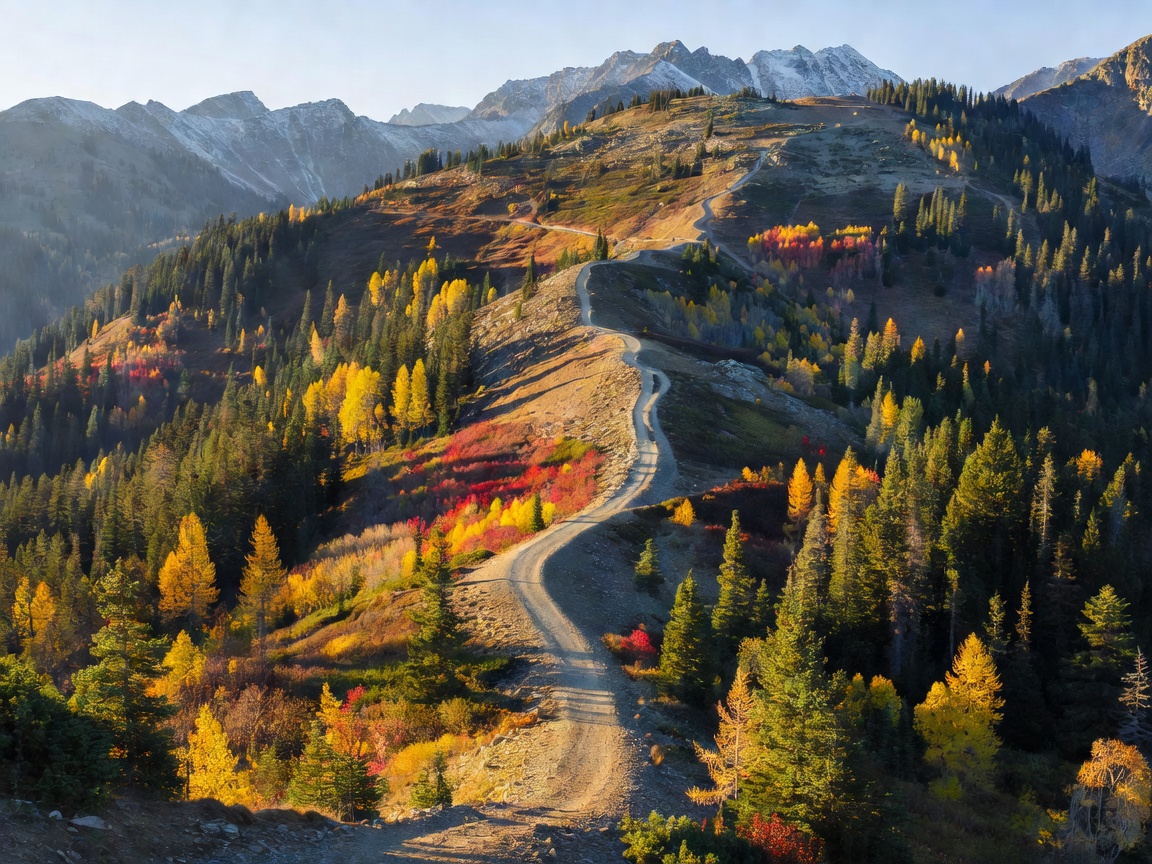
Summer options may include hiking, cycling and scenic excursions, but suitability varies by terrain and individual ability. Select routes by distance, elevation, surface and escape options rather than by a photograph. Confirm access rules and current route information locally. A short route can still involve steep ground or exposed sections. Consider how the group handles uneven surfaces and changes in weather.
Cycling plans also require attention to bike type, equipment, route profile, storage and transport. Check whether a planned route permits the intended use and whether bike hire or support is available; do not assume either. Carry water and appropriate layers, and agree on a turnaround point. For families or mixed-ability groups, choose a plan that allows people to travel comfortably at different speeds.
Scenic excursions and quieter alternatives
Scenic journeys can be a useful option for guests who prefer less physical activity. Consider access, travel time, parking, facilities and mobility needs. Check current opening arrangements and transport information before leaving. A viewpoint or excursion may be affected by weather, seasonal operations or road conditions. Keep an indoor alternative available instead of treating a single outing as essential.
Winter walks and summer trails can be rewarding without requiring a full-day itinerary. Choose a route that leaves enough time to return before conditions or light change. Share the plan with someone where appropriate, bring a charged phone and know the local emergency guidance. These are general preparation points, not a substitute for local expertise or an assessment of conditions.
Weather, flexibility and families
Mountain weather can shift. Check an up-to-date forecast and any relevant local alerts before departing, then adjust the plan if conditions are unsuitable. No forecast or live condition is provided on this site. Carry appropriate clothing for the day and keep a route alternative. A flexible schedule is often more useful than a tightly timed list of activities.
For families, plan rest stops, snacks, toilets, spare clothing and a realistic distance. For mixed groups, agree on pace and regrouping points before starting. Make sure everyone understands the meeting plan and has a way to contact the group. If mobility or access needs are relevant, verify terrain, transport and facilities with the operator or local source before making assumptions.
Good for / What to know
Good for
- Groups balancing active days with quieter alternatives.
- Guests preparing clothing, equipment and transport in advance.
- Families building flexible plans around pace and rest.
What to know
- Activity access, conditions and availability change over time.
- Current guidance must come from local authorities or providers.
- Equipment, instruction and transport may be separate arrangements.
Build a flexible activity plan
Choose one primary activity and one lower-effort alternative for each day. Note transport, equipment, estimated time, access requirements and current information sources. Leave room for a delayed start or changing weather. Confirm all operator-dependent details close to the activity date, including availability, opening information, costs and cancellation terms.
Match outdoor plans to the location and facilities of the accommodation. Consider transport and equipment coordination and plan meals around the day’s timing. This website offers general preparation guidance only; it does not provide live mountain conditions.